Why End of Lease Flea Treatment is Required
In Western Australia, end-of-lease flea treatments are a general requirement in rental agreements whenever a tenant has kept pets on the property, even if the pet never goes outside or has never had fleas. This requirement exists to protect future tenants, landlords and the property itself.
The Reason for the Flea Treatment
End of lease flea treatments are required to ensure that rental properties are free from potential flea infestations. This policy maintains the health and comfort of incoming tenants, safeguards the interests of the landlords, and this preserves the integrity of the property.
This requirement is almost certainly a written clause in most Western Australian Lease Agreements such as the example below:
"This clause is legally enforceable because it forms part of the signed lease agreement. Property managers are also obligated to ensure end of lease flea treatment is completed before bond release."
Fleas Can Survive Even If You Have Never Seen Them
Many tenants believe their pet doesn't have fleas, but here is the truth:
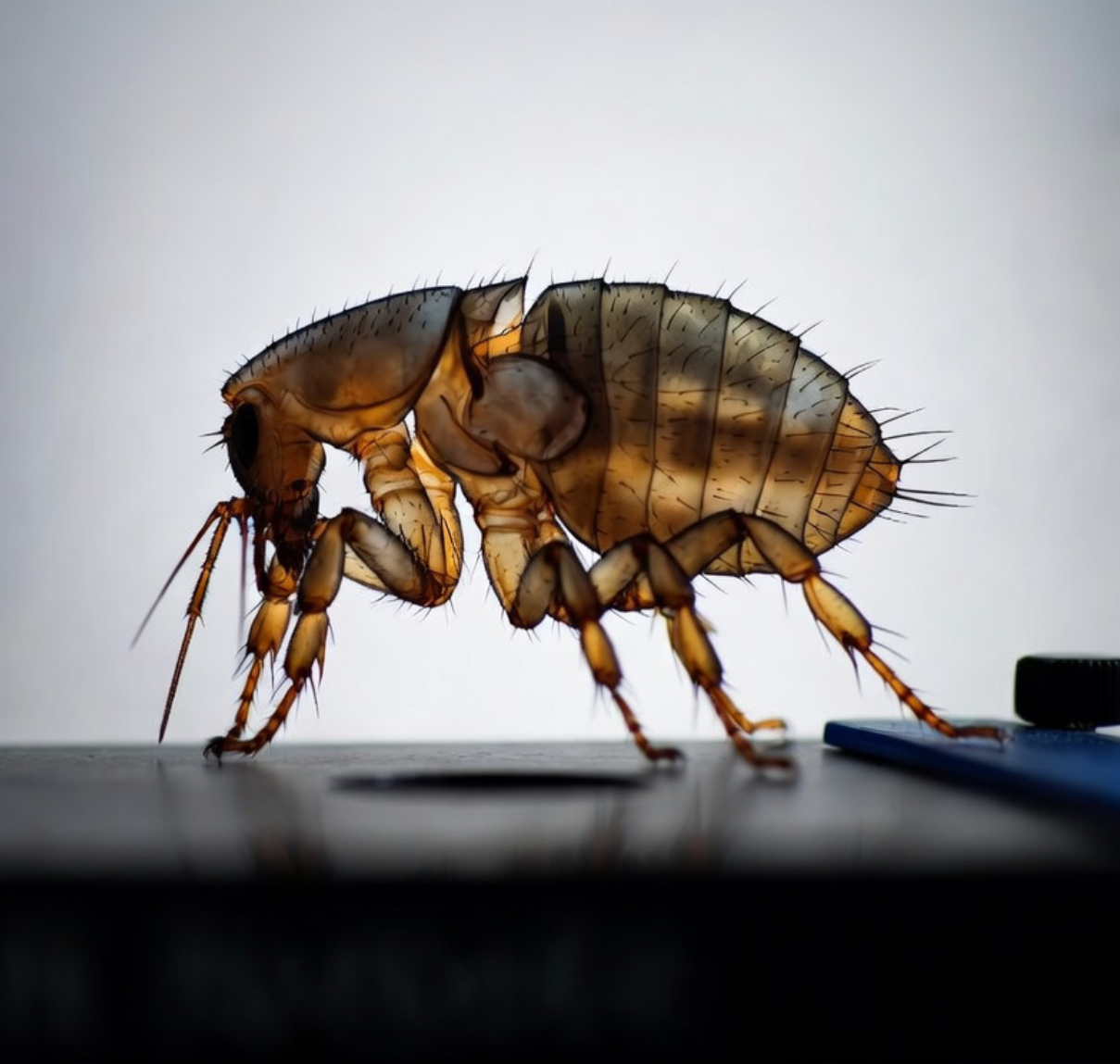
-Fleas eggs can survive up to 12 months in carpets, cracks and soft furnishings
-Fleas can remain "dormant" until such time that they sense vibrations or are in contact with carbon dioxide, meaning the next tenant can "trigger" an outbreak.
-Even indoors pets carry fleas brought in on clothing, visitors, or from other animals they came into contact with.
A Professional Treatment Safeguards That No Live Eggs, Larvae or Dormant Fleas Can Remain
Fleas spread fast and can be difficult to remove from a home
A single female flea can lay up to 50 flea eggs per day. If even a few eggs are left behind:
-The eggs will hatch
The fleas can spread
-The fleas infest carpets, skirting boards and furniture
This result may become a major costly exercise for landlords and a health issue for new tenants. End of Lease flea treatments prevent this sequence effect.
The Treatment Requirement Protects Landlords From Costly Infestations
If a new tenant moves in and discovers fleas:
-The Landlord is obligated to often pay for flea treatment control
-The property manager organises vital pest control
-In certain severe instances a tenant may even claim damages
A simple end-of-lease treatment avoids all of the risks above.
Flea treatment Ensures A Clean, Healthy Home for the Next Tenant
Fleas are not only annoying but they can cause:
-Itchy bites
-Allergic reactions
-Skin infections
-Stress for children and pets
A professional treatment ensures the home is hygienic and safe for the next family.
Property Managers Are Required to Enforce Flea Treatments as it is a requirement under WA Tenancy standards. Property Managers Must:
-Ensure the property is returned in a clean, pest-free condition
-Verify that all lease obligations are met
-Protect the Landlords asset
This is why PM's always request the invoice from our licenced, insured and certified pest control company before releasing the bond.
DIY Treatments Don't Qualify as Being Valid
Supermarket sprays or flea bombs are not accepted because:
-They don't kill all life stages of the flea
-They don't penetrate carpets efficiently
-They don't provide a treatment certificate
-They often fail, causing reinfestation